Transforming Your Living Space into a Warm Haven
Embracing Personal Style: The Key to Comfort
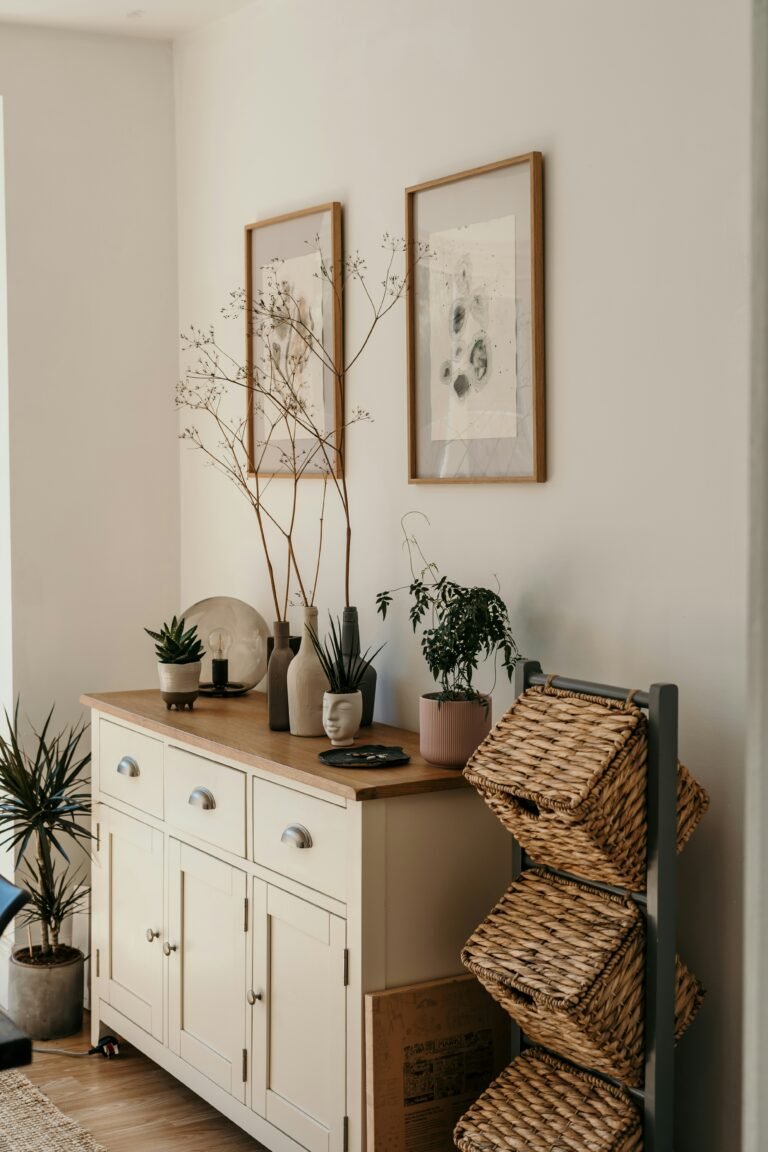
Transforming your living space into a warm haven begins with embracing personal style, as it is instrumental in fostering a sense of comfort and belonging. Personal preferences shape not only the aesthetic appeal of a home but also its emotional resonance. Start by identifying your color palette, which plays a crucial role in setting the mood. Warm tones such as soft reds or earthy yellows can evoke a sense of coziness, while cool hues like blues and greens may promote tranquility. Selecting the right colors can significantly influence how inviting your space feels.
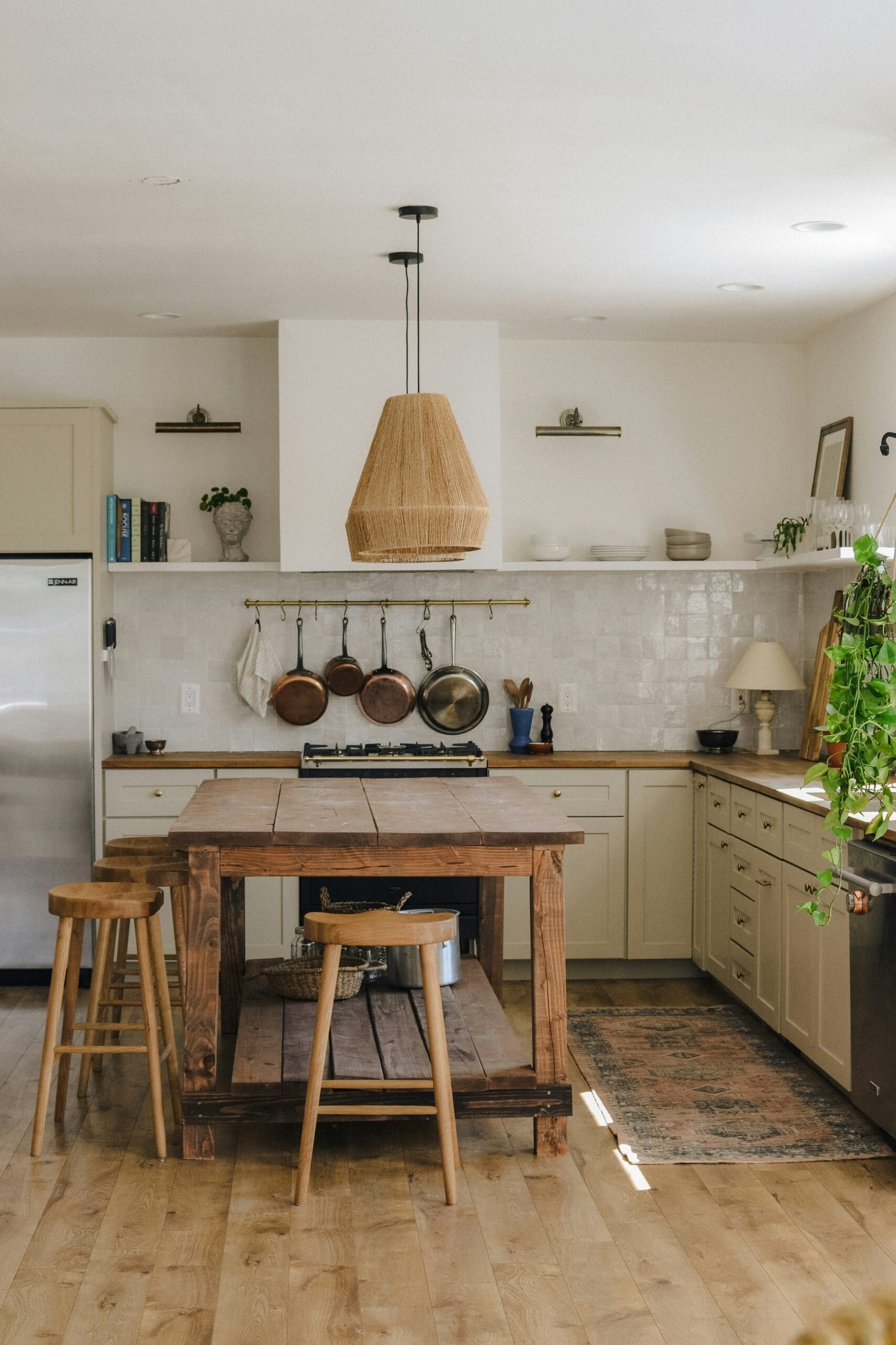
Next, consider your furniture choices, which should reflect both comfort and functionality. Opt for pieces that resonate with you, whether it’s a vintage armchair that tells a story or a modern sofa that invites relaxation. Balance is key; integrating plant elements can enhance the comfort level while adding a refreshing touch to your decor. Accents, such as throws, pillows, and rugs, can also introduce texture and warmth, making any room feel more inviting.
The incorporation of meaningful decor items is another vital aspect. Photographs, souvenirs from travels, or art created by loved ones can infuse your space with character and narrative. These artifacts not only personalize the surroundings but also evoke cherished memories, enhancing the emotional value of the space. It is crucial to weave together various elements—styles, colors, and significant decor—to form a harmonious and individualized environment.
By thoughtfully integrating personal style into home decor, you create a space that truly reflects who you are, promoting an atmosphere of comfort and belonging. This process of customization allows for the manifestation of your unique identity in everyday life, leading to a more fulfilling and warm living experience.
Creating a Relaxing Ambiance: Lighting and Textures
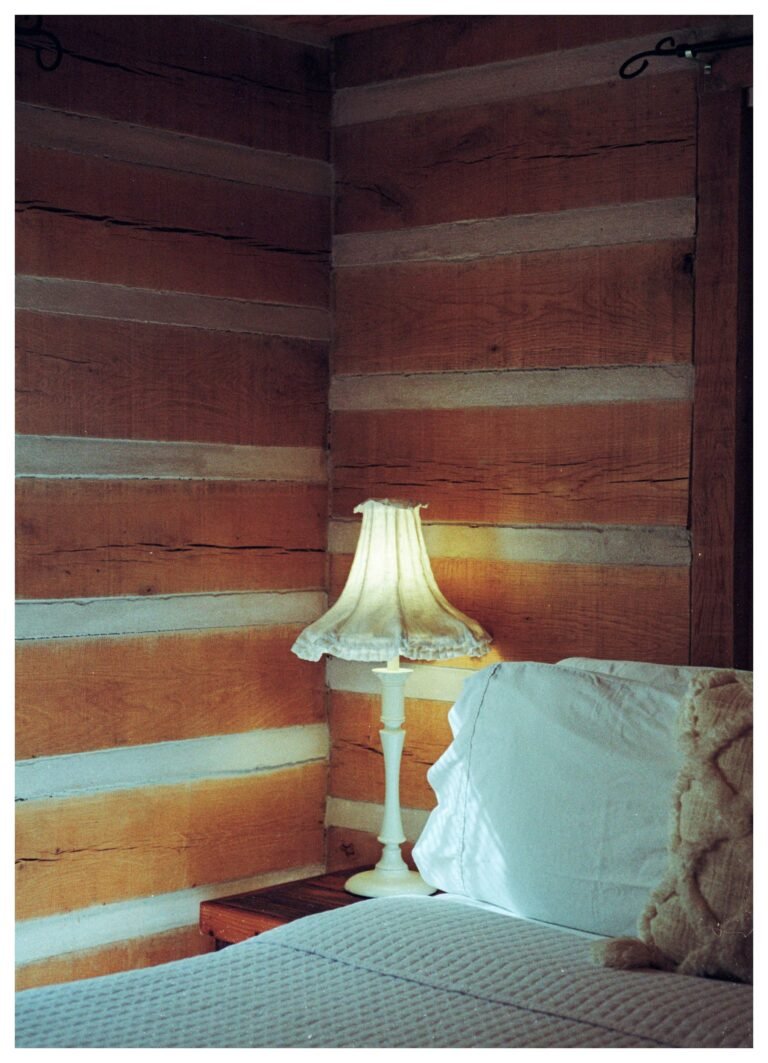
Establishing a cozy home ambiance is inherently linked to the effective use of lighting and textures. Lighting plays a pivotal role in defining the mood of a space, creating an environment that can either invigorate or soothe. There are three principal types of lighting to consider: ambient, task, and accent. Ambient lighting acts as the general source of illumination, filling the entire room with a soft glow. Warm-toned bulbs, such as those in the lower end of the color temperature spectrum, are preferable, as they provide a comforting and inviting light. Task lighting, on the other hand, is strategically placed to serve specific activities such as reading or working, and should be adjustable to suit varying needs. Accent lighting is utilized to highlight particular features, like artwork or architectural details, adding visual interest and warmth to your space.
In addition to lighting, the selection of textiles in your living area significantly contributes to the overall comfort and relaxation levels. Soft furnishings like curtains, rugs, and cushions not only add warmth but also promote a sense of tranquility through their textures. For instance, sheer curtains can allow natural light to flow, softening harsh daylight while creating a gentle glow. Complementing these with plush rugs will enhance the tactile experience underfoot, encouraging a serene atmosphere. Furthermore, incorporating a variety of materials, such as knits, velvets, and linens, can create a layered effect that adds depth and richness to your home.
When combining colors, opt for a harmonious palette that evokes calmness; soft earth tones and muted hues consistently elicit feelings of serenity. Mixing these textures and colors thoughtfully will transform your space into a relaxing haven, facilitating a refuge from the frenetic pace of the outside world. Addressing both lighting and textures thoughtfully is essential for crafting an environment conducive to warmth and relaxation.