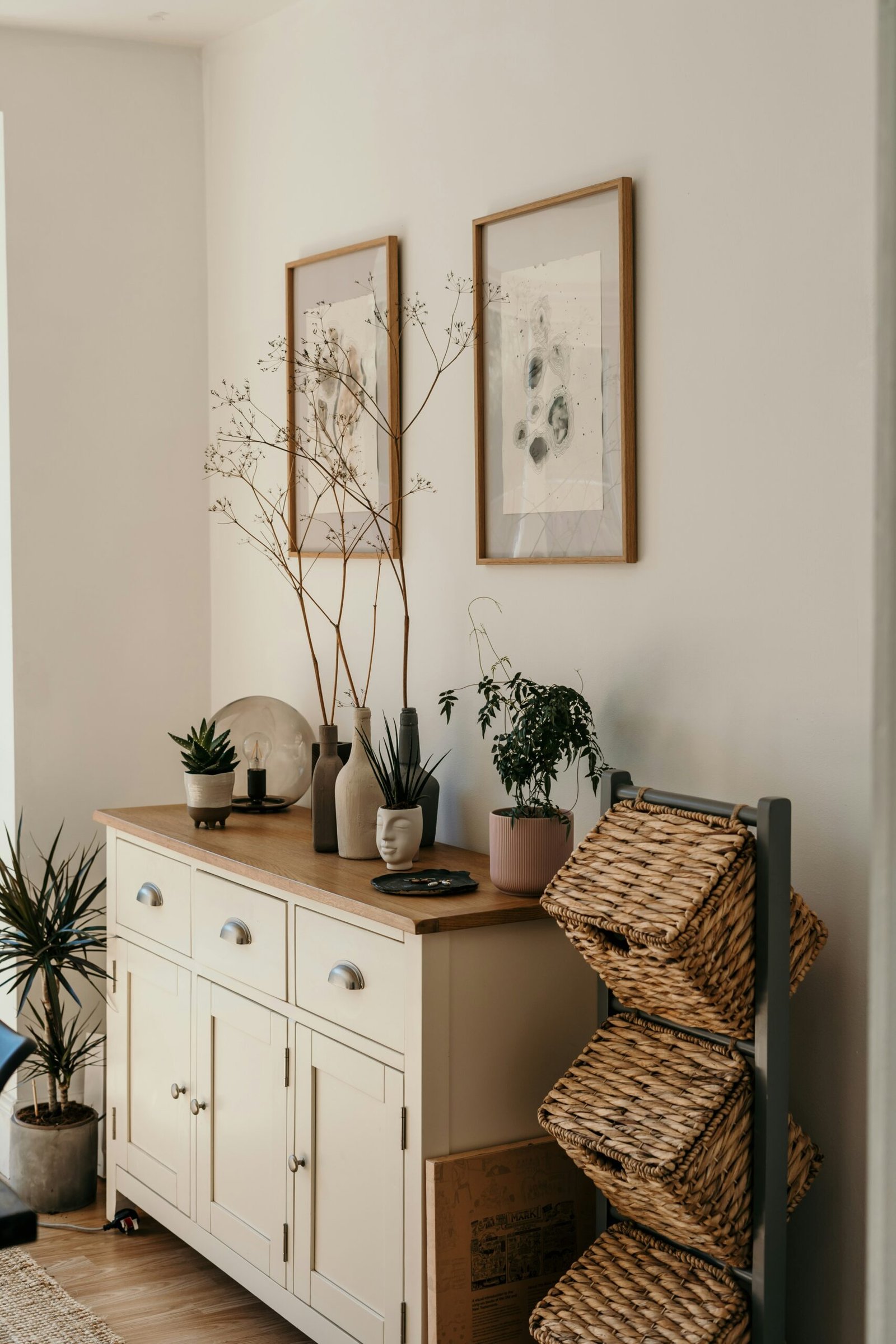
Designing a Retreat: How to Make Your Home a Comforting Refuge
Establishing Your Personal Sanctuary
Creating a personal sanctuary within your home is essential for fostering a space that reflects your individuality and promotes well-being. To achieve this, one of the first steps is selecting a harmonious color palette that resonates with your preferences. Colors evoke emotions; hence, choosing hues that you find soothing, vibrant, or inspiring can significantly impact the atmosphere of your space. Neutral tones may create a calm environment, while warmer shades can instill a sense of warmth and comfort.
Moreover, incorporating meaningful decor is key to personalizing your sanctuary. Every item in your space should tell a story or evoke a cherished memory. Whether it is artwork, photographs, or travel souvenirs, these elements allow for self-expression and serve as constant reminders of what brings you joy. Thoughtfully considering the placement of these decor pieces helps create a cohesive design and enhances the welcoming ambiance of your home.
Furniture arrangement also plays a vital role in cultivating a comforting retreat. Aim to create designated zones within your home that encourage relaxation, productivity, and social interaction. For instance, a cozy nook with comfortable seating and ample lighting can become an ideal reading space, while an open area arranged for gatherings can foster connections with family and friends. By mindfully assessing your available space and furniture choices, you can ensure that every area serves its intended purpose without compromising comfort.
Ultimately, establishing a personal sanctuary is about aligning your home’s design with your values and lifestyle. Tuning into your preferences and understanding how you wish to use your space will guide you in creating a balanced environment. By thoughtfully curating colors, decor, and furniture arrangements to reflect who you are, you forge a comforting refuge that nurtures both your mind and spirit.
Enhancing Comfort with Textures and Ambiance
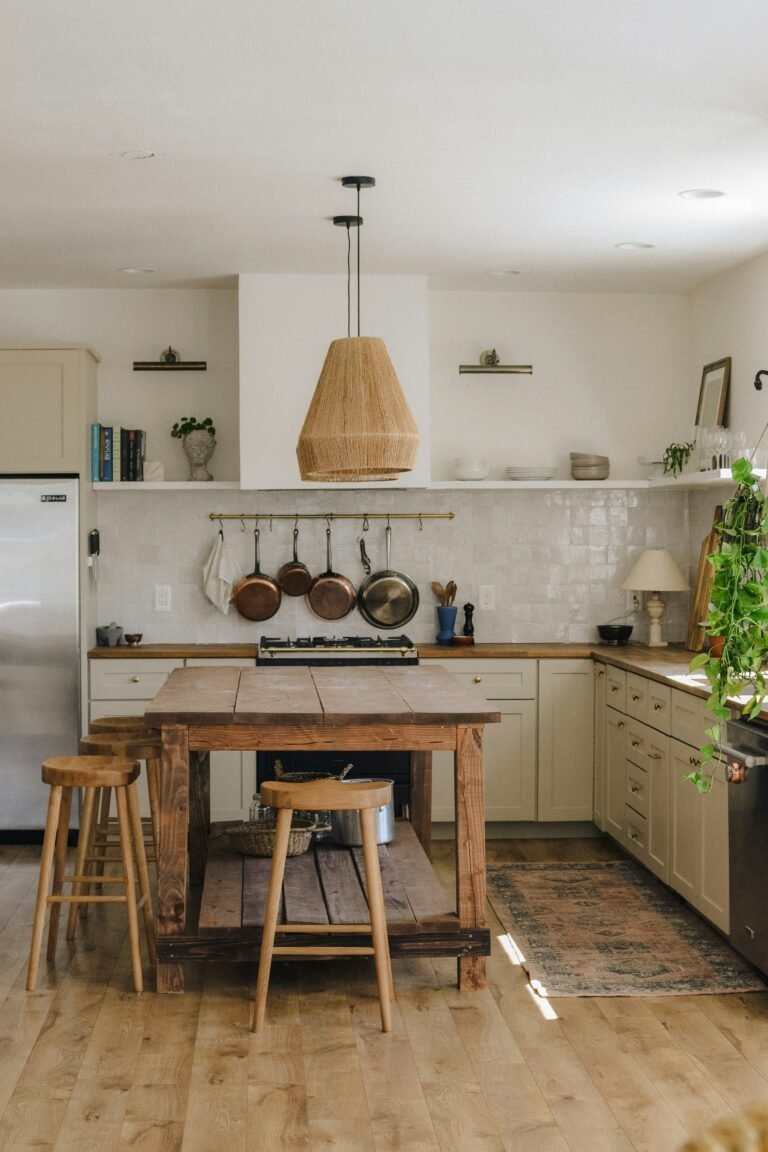
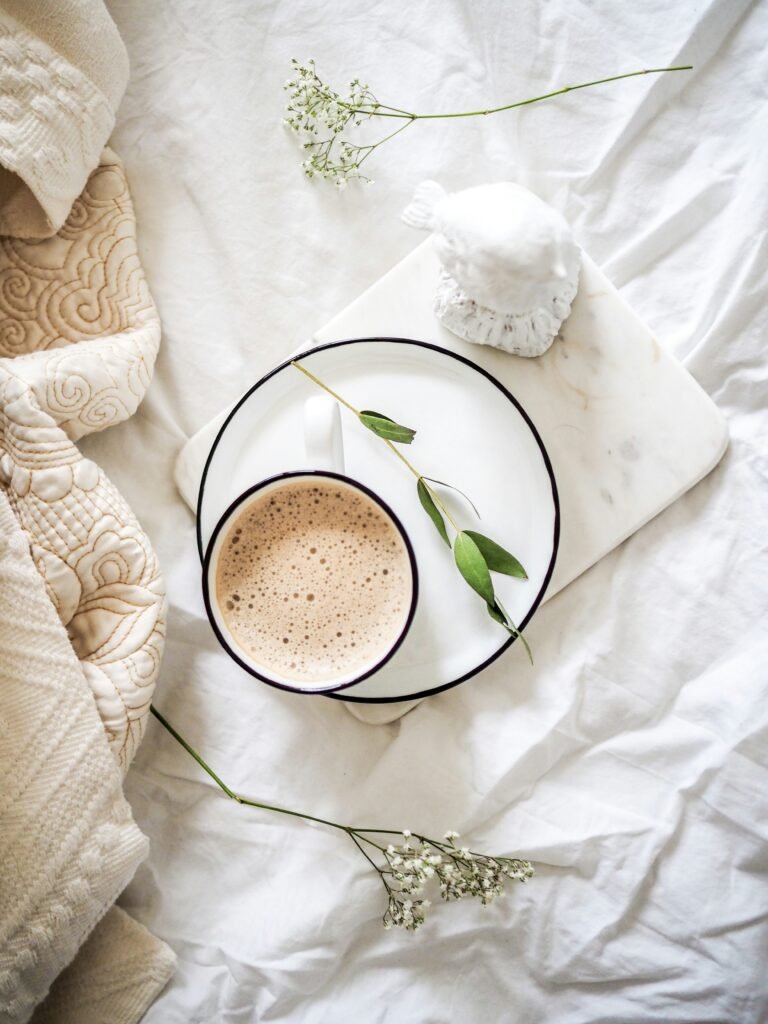
Creating a comforting home sanctuary involves a deliberate focus on textures and ambiance, which play a significant role in shaping the overall experience of your living space. One of the fundamental aspects of achieving a warm and inviting environment is the thoughtful layering of diverse materials. Incorporate soft textiles like plush cushions, warm throws, and luxurious rugs to enrich the tactile quality of your home. Fabrics such as cotton, wool, and velvet can provide a cozy touch, inviting you and your guests to relax. Additionally, integrating natural elements like wooden furniture and stone accents can establish a connection to the outdoors, promoting a sense of tranquility and grounding your space.
Supportive furniture is another crucial component in enhancing comfort. Choosing pieces that not only align with your aesthetic preferences but also prioritize comfort can significantly elevate your home’s inviting quality. Consider ergonomic designs that cater to relaxation, such as recliners or spacious sofas, allowing for ample support as you unwind after a busy day.
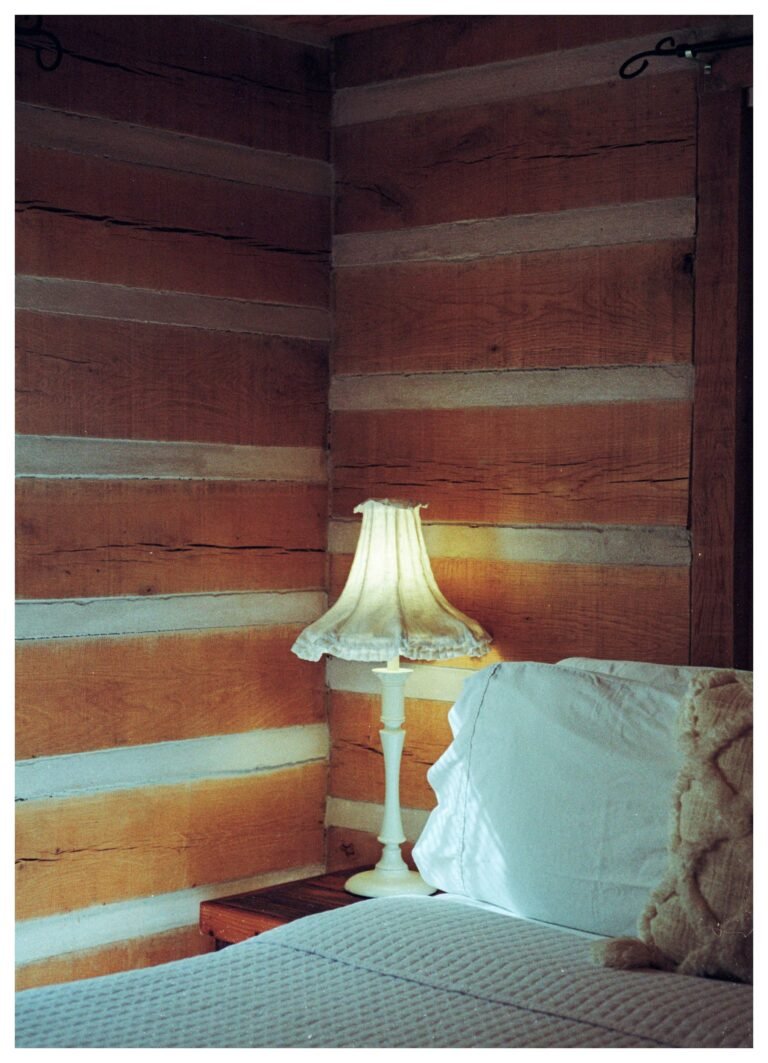
The importance of lighting cannot be understated in the quest for creating a comforting refuge. Maximizing natural light through sheer curtains or strategically placed mirrors can brighten the space and create an uplifting atmosphere. When natural light isn’t available, opt for soft lamp lighting; dimmable lamps can adjust the brightness to suit your mood, while strategically placed candles can add a warm glow. The flickering of candlelight not only enhances cosmetic appeal but also fosters an intimate ambiance.
Additionally, incorporating scents and sounds contributes to a multi-sensory experience in your sanctuary. Utilize essential oil diffusers or scented candles to fill the air with relaxing aromas, which can profoundly influence your state of mind. Soft background music or the gentle sounds of nature can also create a serene atmosphere, transforming your house into a comforting retreat that truly feels like home.