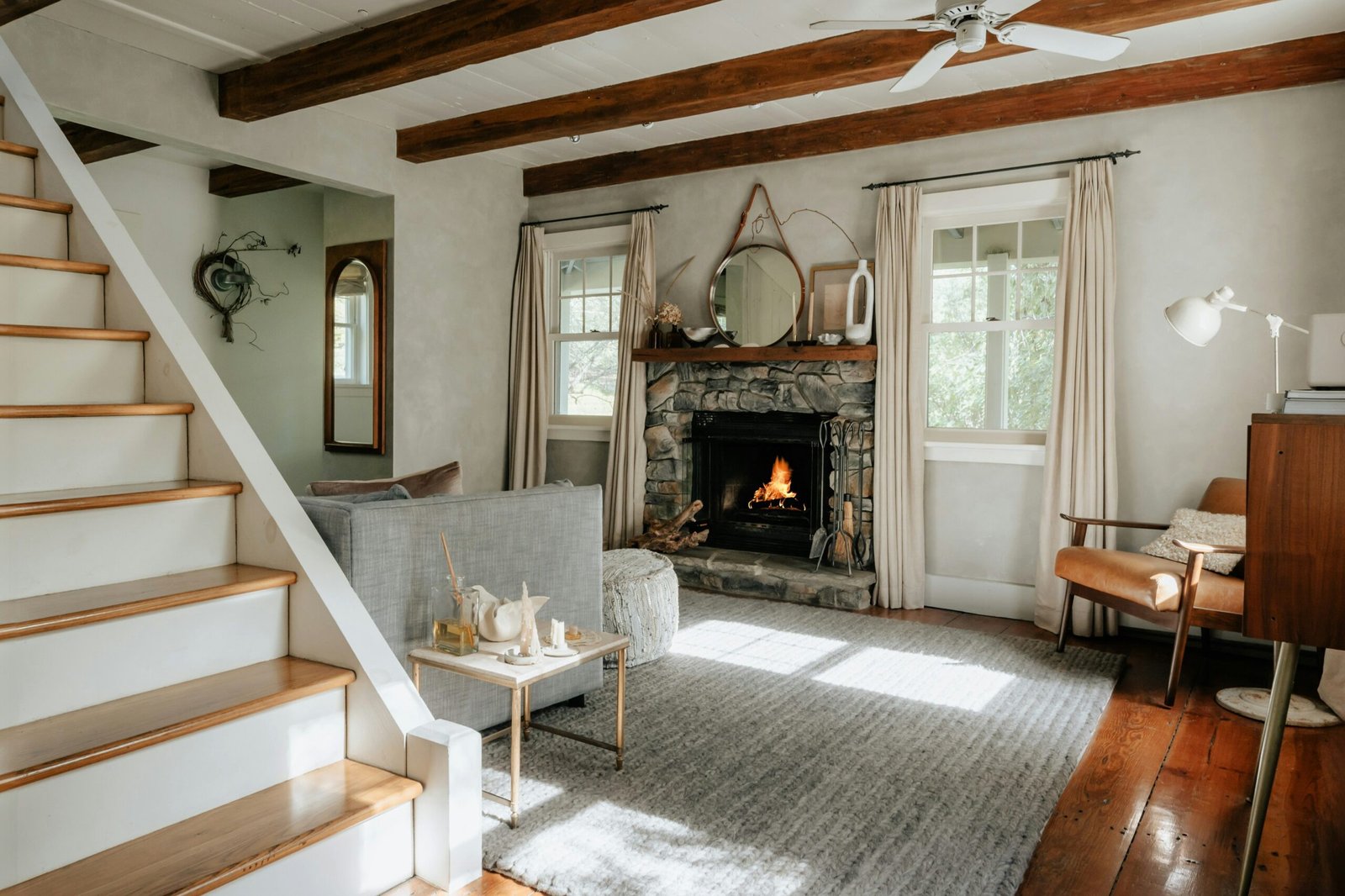
Designing Your Perfect Sanctuary: A Step-by-Step Approach
Understanding Your Personal Style
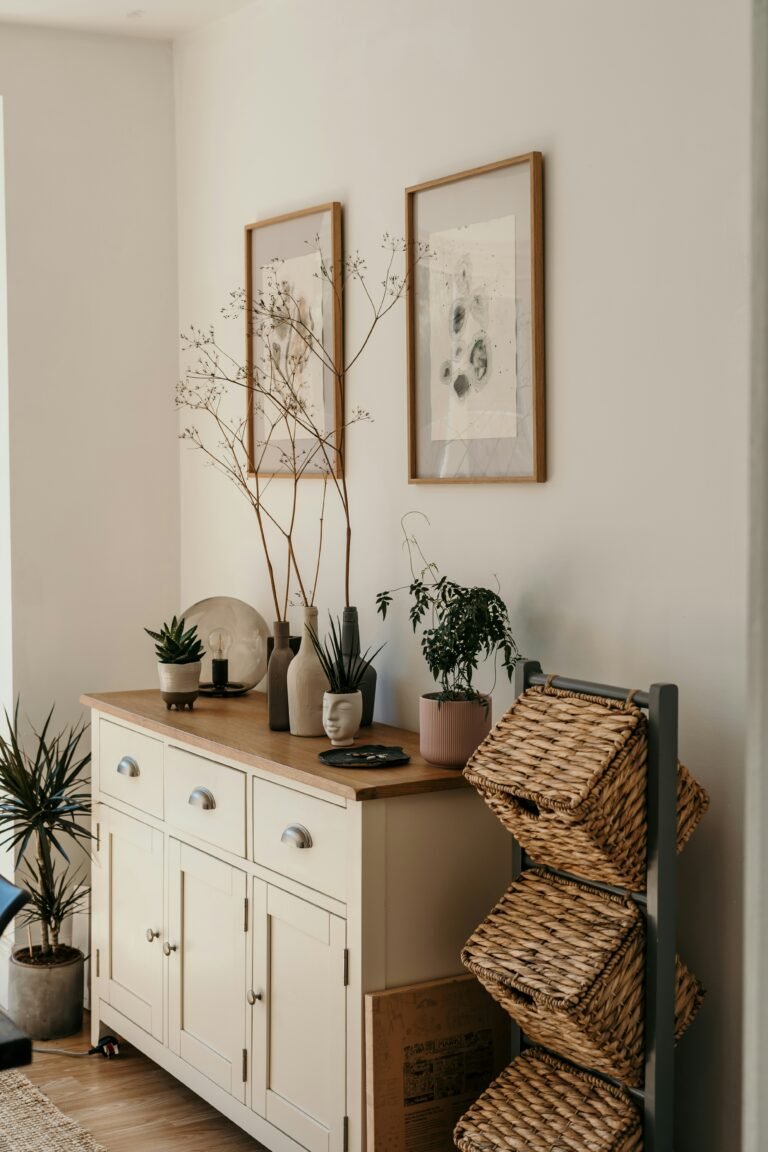
Identifying your personal style is a fundamental step in designing your ideal sanctuary. Your home environment serves not only as a physical space but also as a reflection of your individuality and aesthetic preferences. Design styles vary widely, encompassing minimalist, eclectic, traditional, and modern categories, each evoking different feelings and atmospheres. Understanding these styles will assist you in determining which resonates with you the most.
To start your journey, examine visual inspirations from various sources, such as magazines, websites, and social media platforms. Collect images that captivate your interest and evoke a sense of comfort and belonging. This process will enable you to visualize the ambiance you aim for in your home. Creating a mood board can further aid in organizing your thoughts and preferences. By collating images, color swatches, and textured samples, you can identify patterns and common themes that resonate with your desired style.
Self-reflection is crucial in this process. Ask yourself questions like: What colors make me feel at ease? Do I prefer a clutter-free space, or am I drawn to more eclectic arrangements? This introspection will help you to evaluate your own lifestyle and how it translates into your space. Consider factors such as functionality, comfort, and aesthetics. A cohesive design not only enhances the visual appeal of your home but also positively impacts your overall well-being. When every element within a space harmonizes, it creates an inviting atmosphere that fosters happiness and relaxation.
Ultimately, understanding your personal style allows you to curate a living space that is uniquely yours, where comfort and beauty coexist seamlessly. By recognizing the importance of design in shaping your home environment, you take a significant step toward achieving your perfect sanctuary.
Creating Inviting Spaces in Your Home
Transforming your home into a cozy and welcoming sanctuary involves careful consideration of various elements, including color schemes, lighting, furniture layout, and decorative items. Each of these components plays a pivotal role in fostering a space where comfort and relaxation can flourish.
When choosing a color scheme, opting for warm and neutral tones can significantly enhance the inviting atmosphere of a room. Colors like soft beige, gentle greys, or muted pastels create a serene backdrop. These hues can be accentuated with bolder colors through decorative pillows, throws, or artwork, bringing life and personal touch to the space. The aim is to establish a balanced palette that not only reflects personal style but also promotes tranquility.
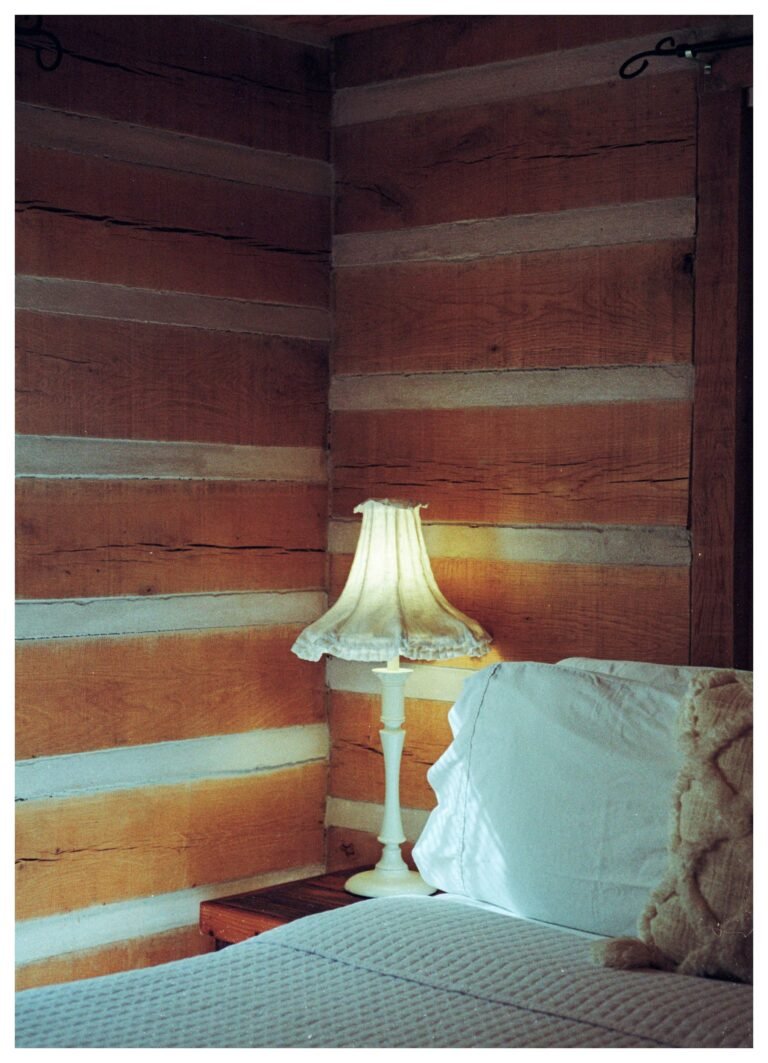
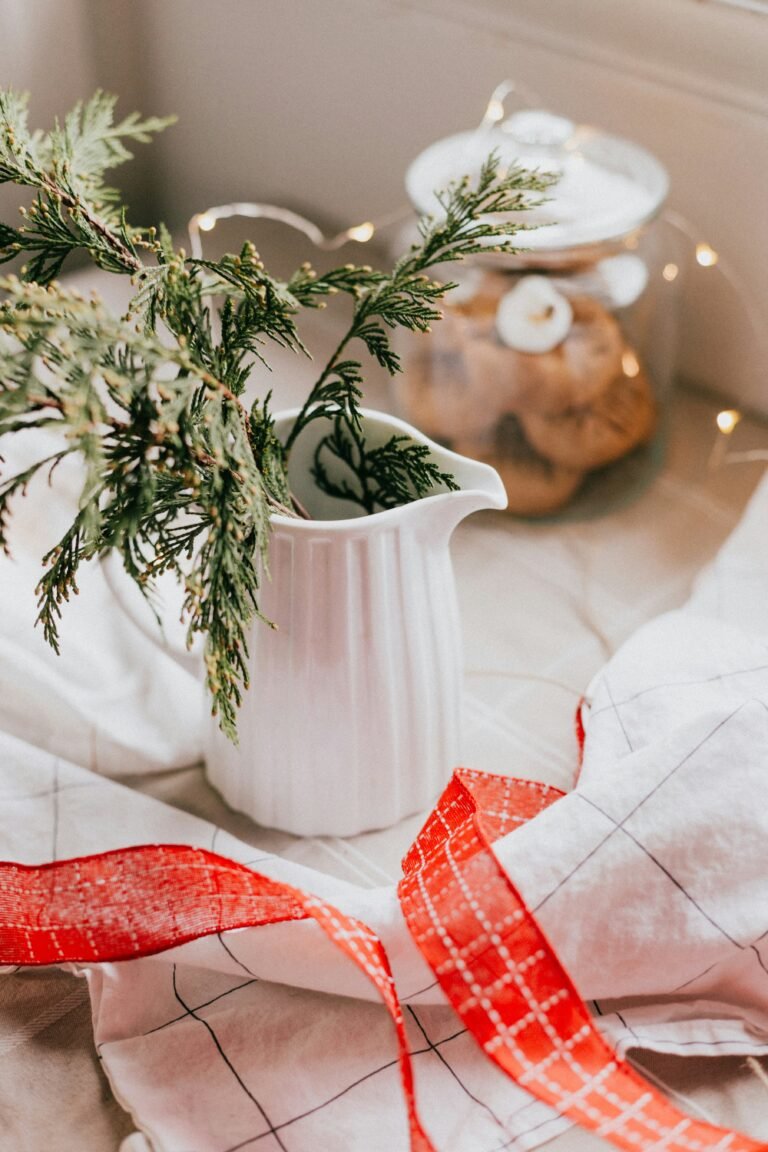
Lighting is another critical factor in the creation of an inviting space. Utilizing a mix of ambient, task, and accent lighting can dramatically alter the mood of a room. Soft, warm lights from table lamps or string lights can create a soothing environment, whereas adjustable lamps can provide focused light where necessary. Natural light should also be maximized through the strategic placement of mirrors and window treatments that allow daylight to filter in, illuminating the space and enhancing its warmth.
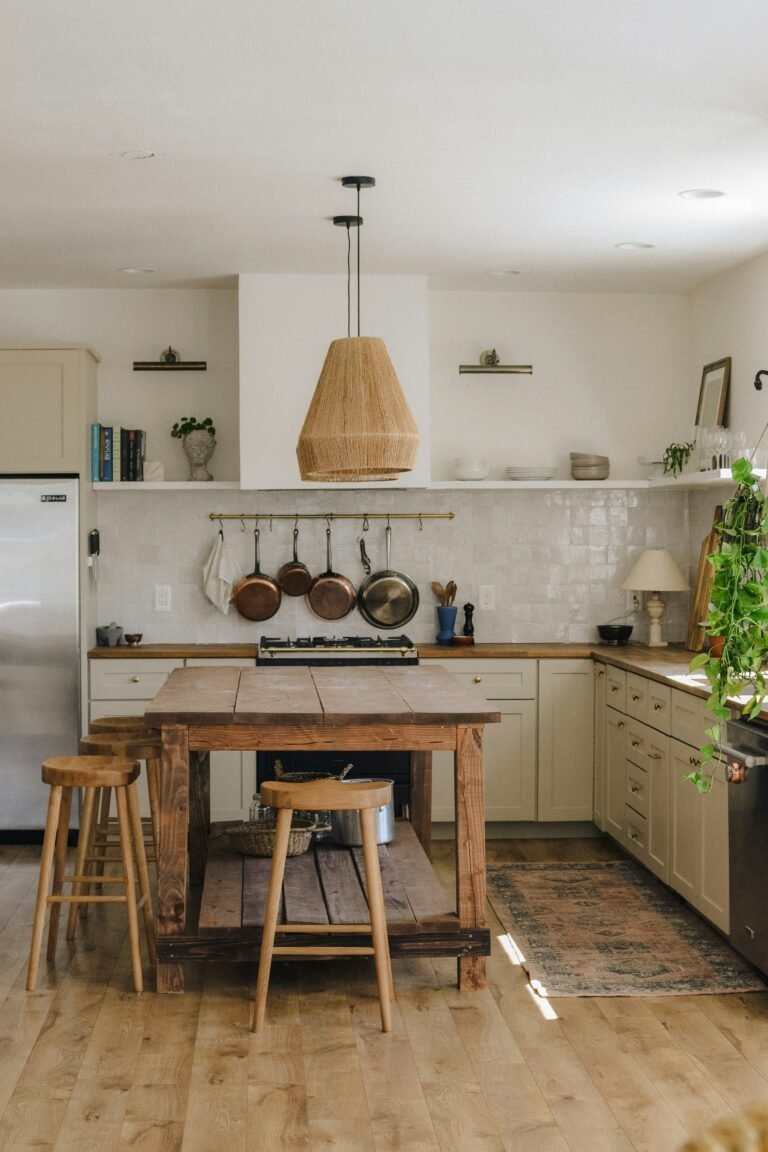
The layout of furniture should prioritize ease of movement and conversation. Arranging seating in a way that encourages interaction, such as clustering sofas or chairs around a central coffee table, can create a welcoming atmosphere. Additionally, incorporating sentimental objects or personalized artwork can further enrich the environment, ensuring that each room resonates with memories and emotions. Lastly, maintaining a clutter-free space is imperative; it not only enhances aesthetic appeal but also promotes a sense of peace and order, essential for a true sanctuary.